

The passion lights of the gevurot, when unpacked and enlightened by their matching lucid-lights, produce all the bliss of future times.
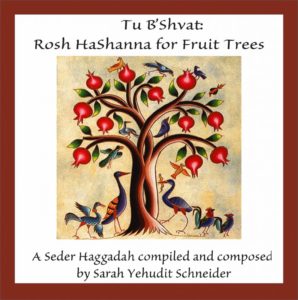
The Still Small VoiceTu B’Shvat Hagada, fifteen years in the making, is finally available for public enjoyment.
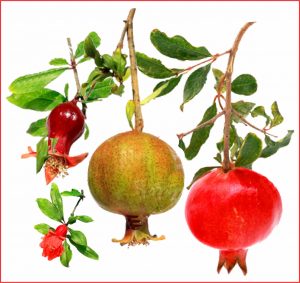
The passion lights of the gevurot, when unpacked and enlightened by their matching lucid-lights, produce all the bliss of future times.
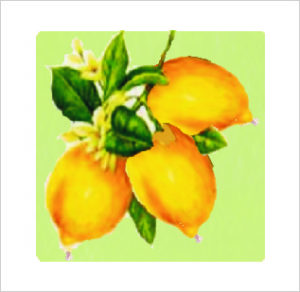
The word for etrog (אתרוג) relates to the Hebrew root, רגג, which means, “to long and desire”; etrog corresponds to to the heart area, the center of conscious emotion and desire.
Tu B’Shvat Through the Years Tu B’Shvat teachings over the years (2007-present).
Tu B’Shvat 2018. All the trees of the field did not yet exist on the earth, and all the wild plants had not yet sprouted… for there was no human to work the ground.
Tu B’Shvat 2017. On New Year’s Day of Fruit Trees we celebrate the two trees that changed the course of history: The Tree of Life and the Tree of Knowledge.
The first of Shevat is the New Year for trees, says the School of Shammai. Beth Hillel disputes this and rules that it falls on the fifteenth of the month.
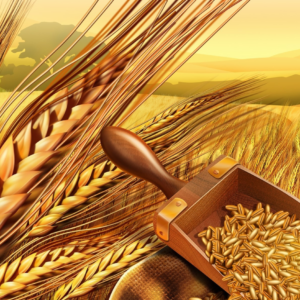
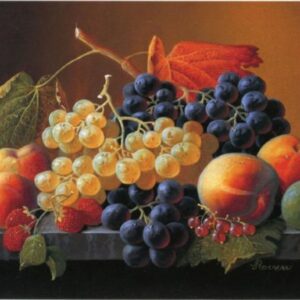
It is customary to eat fruits in celebration of Tu B’Shvat, and to admire each fruit and speak its praises before you eat it. A Still Small Voice presents a tribute to wheat.
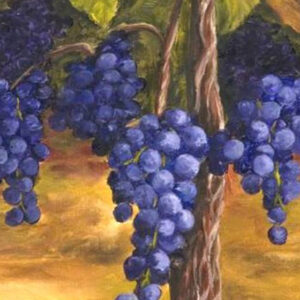
The path that grapes traverse in their odyssey of becoming wine parallels our cosmic journey of expanding consciousness.
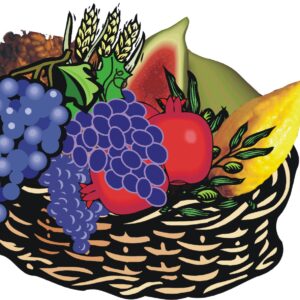
At a Tu b’Shvat seder How do you decide which fruit to make the focus of your brocha, for only one out of all gets the privilege?
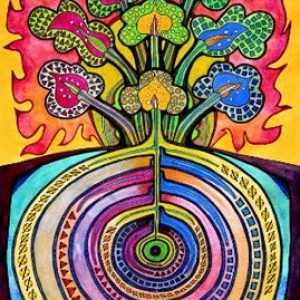
The Tree of Life has as many fruits as there are creatures (and moments) in the world. The Shekhina is its gardener and she daily plucks its ripened yield.
Tu B’Shvat is the New Year’s day for fruit trees but it is important to note that this is not their day of judgment—that occurs months later on the holiday of Shavuot.
Every bit of food has a spark of consciousness that we absorb from eating it.
Although bringing tikun to eating is a practice and awareness that we should bring to every meal, the Tu B’Shvat meal is an especially propitious opportunity to do this work.