Blameless Teshuva–A Teaching for Yom Kippur
The Sod Yesharim suggests a very powerful practice to get the most out of our highest of holy days, Yom Kippur.

The Sod Yesharim suggests a very powerful practice to get the most out of our highest of holy days, Yom Kippur.
Though nesira means surgical uncoupling, it only severs back-facing, addictive bonds. Its uncoupling actually initiates a higher, willful, and more rectified recoupling.
The Sod Yesharim suggests a very powerful practice to get the most out of our highest of holy days, Yom Kippur.
Recite before me the verses of remembrance, that your remembrance shall arise before Me for good. And through what? Through the shofar.
You might be surprised to know that Rosh HaShana is not only Day of Judgement and the Day of Remembrance, it is also, says kabbala, the Day of Nesira (surgical uncoupling). This is a short teaching about that profound dimension of Rosh HaShana.
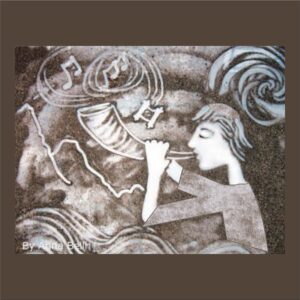
A bounty of teachings on how to prepare for Rosh HaShana and how to direct one’s intentions on the day itself. Teachings about teshuva, prayer and shofar.

We are defining shame as the discomfort produced when the ego feels diminished or deflated. We are defining sinat chinam as baseless hatred, meaning hatred that has no justification, that has no basis to it.

You might be surprised to hear that addiction is as old as humanity itself…literally.

Sarah is the Matriarch of the Jewish people. Tradition ascribes superiority to her Divine Inspiration over Avraham’s.
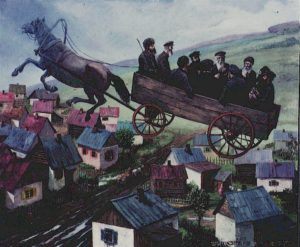
Rosh Hashana (humanity’s birthday) is actually a very strange Yom Tov given the debate between Hillel and Shamai about whether it is better to be born…or not.

Rosh Hashana marks the conception and Pesach marks the birth of Knesset Yisrael, the Mystical Body of Israel, born on the other side of the parted sea.
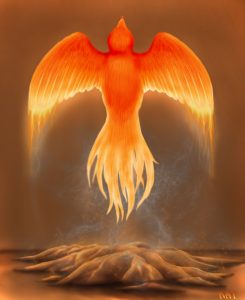
Divine perfection, in order for it to be infinite, must include the possibility of perfecting… it’s a paradox.
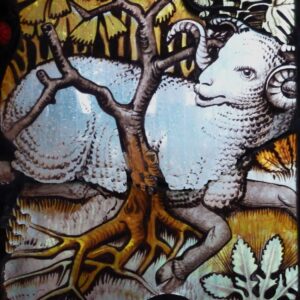
Rosh HaShana 5778 / 2017 Rabbi Dr. Yehuda Gellman’s exploration of the Mei HaShiloach’s teachings on the Akeida that appears in his book “The Fear, the Trembling, and the Fire.”
Rosh HaShana 2016 / 5777 There are three categories of tikunim, and every person has some portion of each on their cosmic to-do list.
Rosh HaShana 2015 / 5776 The messianic era is a planetary happening. We cannot enjoy our redemption unless we bring the world along.
Rosh HaShana, 5775 / 2014
The essential obligation of Rosh HaShana is not to pray all day, or to have a big family meal, but rather, simply, to hear the shofar.
Rosh HaShana 2013. Our Rosh Hashana avoda—its soul-searching, lengthy prayers, and special mitzvot—is all directed toward one mysterious aim called “sweetening the dinim”.
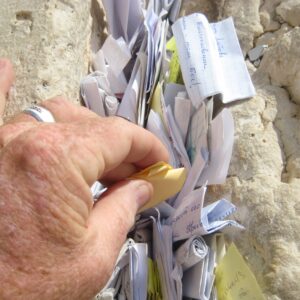
Eliyahu Dessler teaches that there are three levels of prayer, which can be reformulated as three ways to approach Rosh Hashanna.
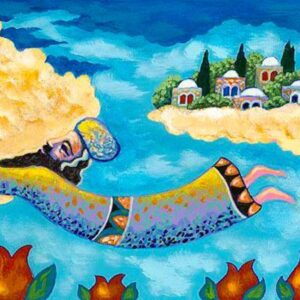
The primary striving of the New Year’s prayers is to be inscribed in the Book of Life. While most interpret this as a plea for health and longevity, this is probably not the Talmud’s prime intent.
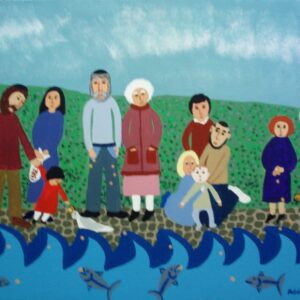
Rosh HaShana 5770/2009: There are three levels of teshuva. Each of them is real, but their sticking power varies.
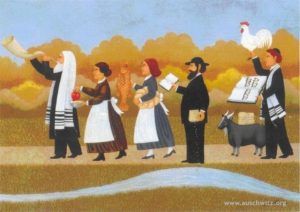
Our mission is to collect all the sparks connected to our soul. But not all sparks are alike. Some are a pleasure to gather, while others take blood, sweat, and a lot of tears.

One practice to prepare for Rosh HaShana is to create a prayer-vision of the best that could possibly unfold for this new year. Of course this is what we want…or is it?
These forty days between Rosh Chodesh Elul and Yom Kippur are called days of grace and correspond to the forty days that Moshe spent with HaShem receiving the second Tablets.
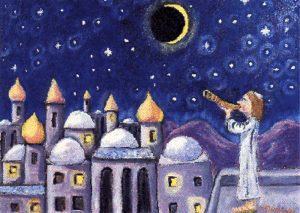
Everyone knows that this pre Rosh HaShana period is a time for intensive soul searching. It’s important to seize the moment, for on Rosh Hashana we receive our allocation of spiritual resources for the coming year.